Tinubu Presents N58.18tn 2026 Budget, Prioritises Security, Infrastructure
By Odekunle Doyin
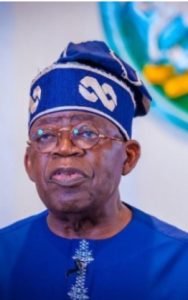
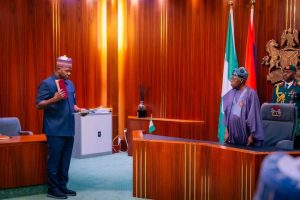
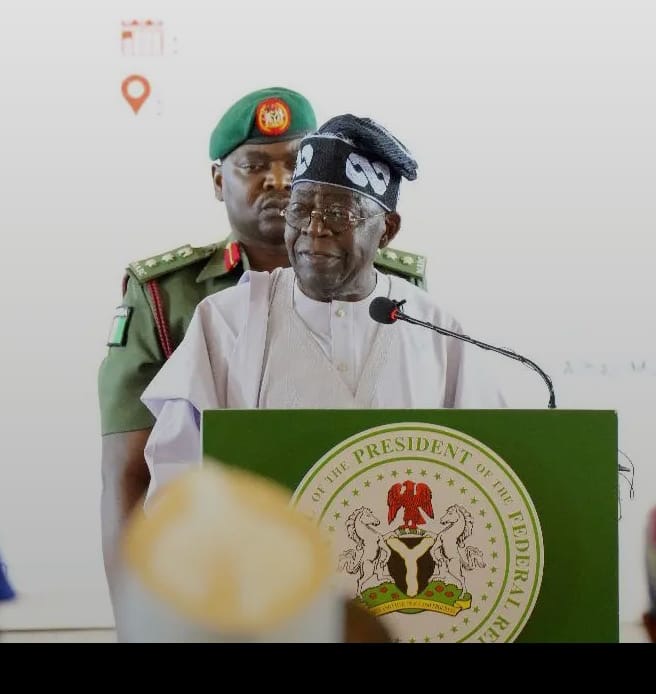
President Bola Ahmed Tinubu on Friday presented a N58.18 trillion budget proposal for the 2026 fiscal year to a joint session of the National Assembly in Abuja, with security, infrastructure, education and health listed as key priorities.
The proposed spending plan, titled “Budget of Consolidation, Renewed Resilience and Shared Prosperity,” was approved earlier by the Federal Executive Council (FEC) at an emergency meeting presided over by Vice President Kashim Shettima.
Presenting the budget, President Tinubu said the 2026 fiscal plan was built on discipline, realism and sustainable growth, aimed at strengthening the foundation for long-term national development.
Revenue, Expenditure and Deficit
According to the President, total projected revenue for 2026 stands at N34.33 trillion, while total expenditure is estimated at N58.18 trillion, leaving a budget deficit of N23.85 trillion, equivalent to 4.28 per cent of Gross Domestic Product (GDP).
He disclosed that N15.52 trillion was allocated for debt servicing, while recurrent non-debt expenditure was pegged at N15.2 trillion and capital expenditure at N26.08 trillion.
Sectoral Allocation
Tinubu said Defence and Security received the highest allocation of N5.41 trillion, followed by:
- Infrastructure: N3.56 trillion
- Education: N3.52 trillion
- Health and Social Services: N2.48 trillion
“These priorities are interconnected. Without security, investments cannot thrive. Without education and healthy citizens, productivity will remain low. Without infrastructure, jobs and enterprises will not grow,” the President said.
Economic Assumptions
The 2026 budget projections were based on:
- Crude oil benchmark: $64.85 per barrel
- Daily oil production: 1.8 million barrels
- Exchange rate: N1,400 to the US dollar
End to Overlapping Budgets
Tinubu announced that from 2026, Nigeria would end the practice of running overlapping budgets and underfunded capital projects.
This followed his request to the National Assembly to extend the implementation of the 2025 Appropriation Act to March 31, 2026, and approval to consolidate capital components of the 2024 and 2025 budgets.
“By March 31, 2026, all outstanding capital liabilities from previous years will be fully funded and closed. From April, Nigeria will operate a single, disciplined budget cycle,” the President said.
Security Focus
The President said the N5.41 trillion allocation to defence and security reflects his administration’s commitment to restoring stability and strengthening national security.
He added that security spending would be guided by accountability and measurable outcomes, noting that the allocation marked the third consecutive year the sector has received the highest share of the national budget under his administration.
Tinubu also outlined plans to strengthen coordination among security agencies and improve intelligence gathering to address violent crimes and insecurity nationwide.
Legislative Reactions
Senate President Godswill Akpabio called for stronger cooperation between the Executive and the National Assembly, noting that national development thrives on collaboration.
“History shows that nations progress when the legislature and executive work together,” Akpabio said.
Speaker of the House of Representatives, Tajudeen Abbas, described the proposed budget as a sign of renewed fiscal stability.
“The message is clear: confidence is returning, fiscal order is improving, and the foundation for shared prosperity is being strengthened,” Abbas said.
About The Author